

Truths about rodents
Rodent Facts
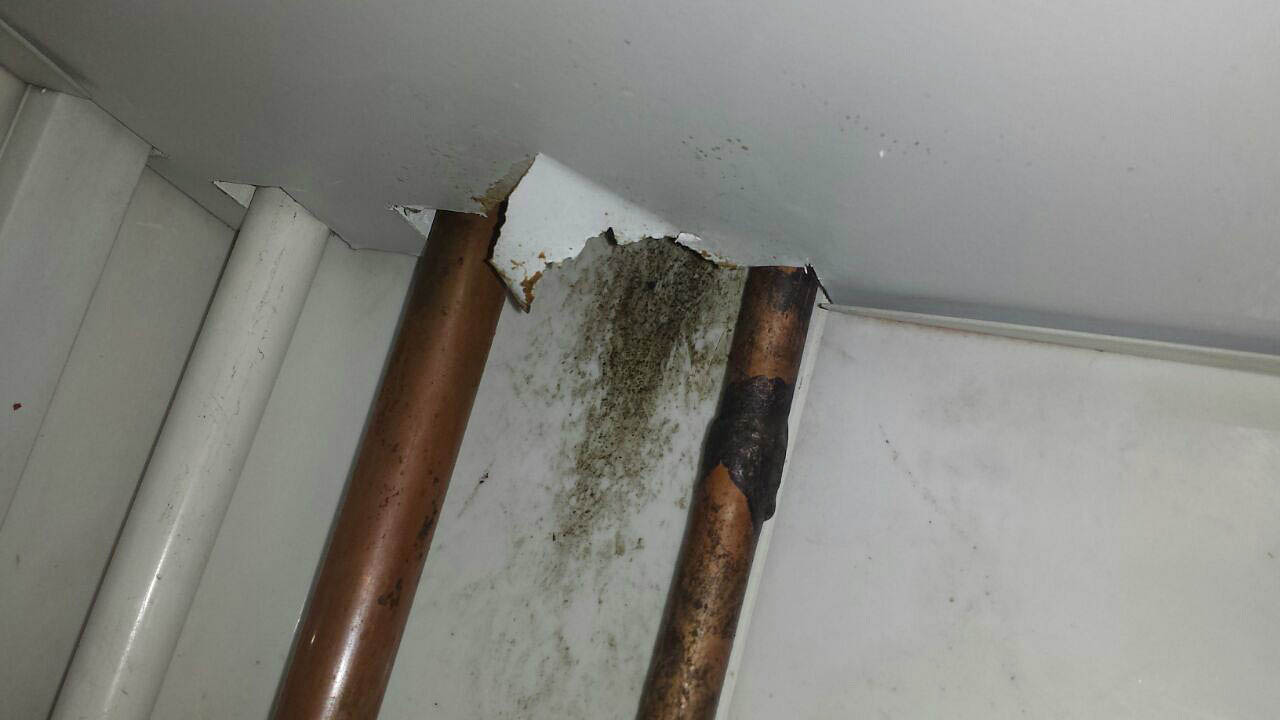
- Their teeth never stop growing and that force them to keep gnawing on plaster boards, wires and even substances as hard as lead sheeting and cinder block to trim them.
- Mice and rats carry a huge variety of diseases, such as salmonellosis and rat-bite fever, which can be spread through their droppings, urine, saliva, rodent bites, or through fleas or ticks that have fed on an infected rodent.
- A pair of rats can grow to 2000 decedents over a year, if left unchecked.
- Rats can squeeze through openings as small as 13 mm in diameter.
Signs of infestation
Gnaw/bite marks especially on wooden surfaces
Concentrated clumps of small droppings
Scratching/rustling noises
Sour smell in the premise due to rodent excrement
Footprints in dusty areas
Preventions Advice
- Deny Rodents access to food, water or shelter and rodents will disappear.
- All openings such as utility lines through walls, cable trunkings, drain pipes, vents etc. should be sealed to prevent rodents from entering.
- Proper housekeeping would prevent rats from sniffing out potential feeding grounds.
Methods of Treatment
We use a variety of traps ranging from live traps to poison baits, depending on the environment. PestCare’s specialists will map out the entire premise on a floor plan and we trap and monitor activity throughout the premise. Narrowing down into entry points and sealing them up.
In highly controlled environments like pharmaceutical and food plants. We use very stringent measures to control rats and adhere to the company’s ISO standards minimizing the risk of spreading diseases. We have a specialised team trained in the field of both pest control and air quality management, giving them an edge over their peers combining both interdisciplinary knowledge to deliver the best results.
Having troubles with pests?
How we can help
- Identify the extend of rodent infestations
- Selection of the best type of treatment for your specific situation
- Professional application of the treatment to ensure the best chance of success
- Advice on closing up potential entry points
- Long-term prevention measures
Have a Question for Us?
Frequently Asked Questions
What are the signs of a rodent infestation?
Signs include gnaw marks on wooden surfaces, clumps of small droppings, scratching noises, a sour smell, and footprints in dusty areas.
How do you treat a rodent infestation?
We use a variety of traps, from live traps to poison baits depending on the environment, mapping out your premise to monitor activity and identify entry points to seal.
How quickly can a rodent problem grow?
A pair of rats can grow to 2,000 descendants in a year if left unchecked, so early action makes a significant difference.
Do you offer specialised treatment for sensitive environments?
Yes. In highly controlled environments like pharmaceutical and food plants, we use stringent measures that adhere to ISO standards to minimize disease-spread risk.